
ADHD & How Anyone Can Improve Their Focus | Huberman Lab Podcast #37

Topics covered
Popular Clips





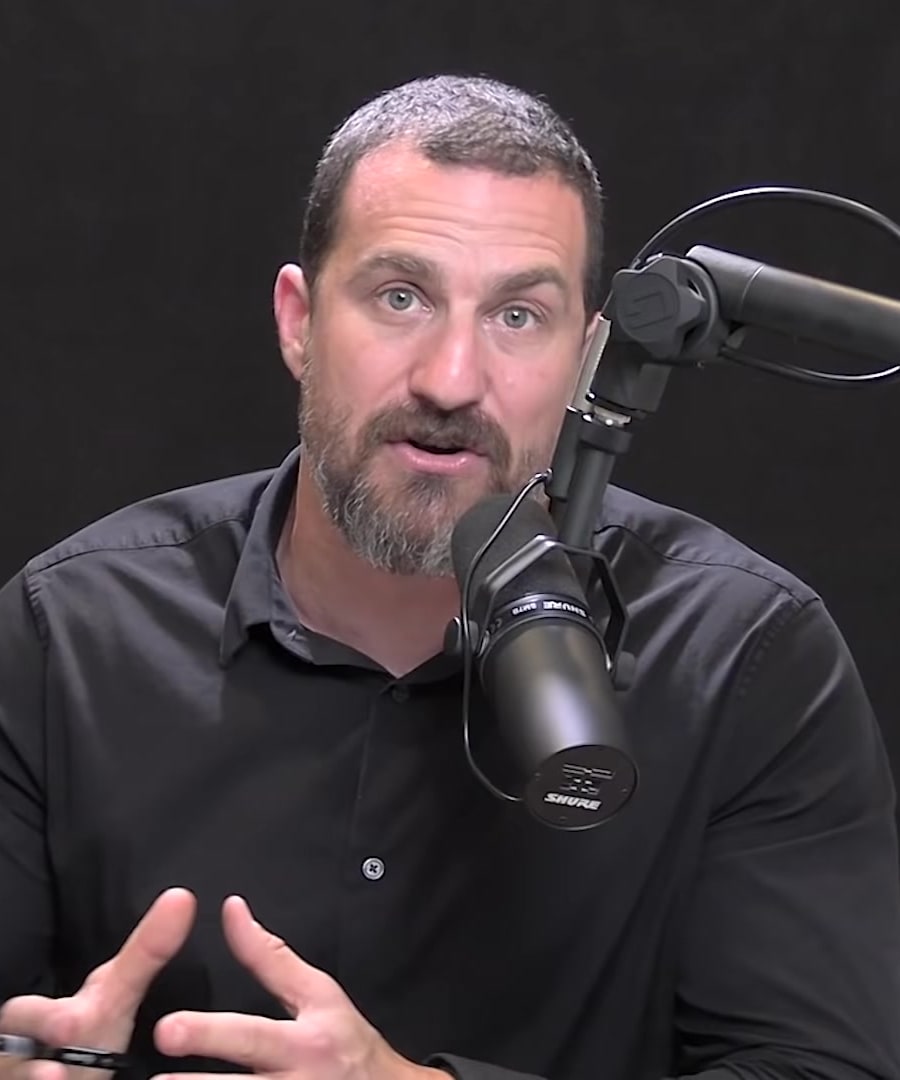


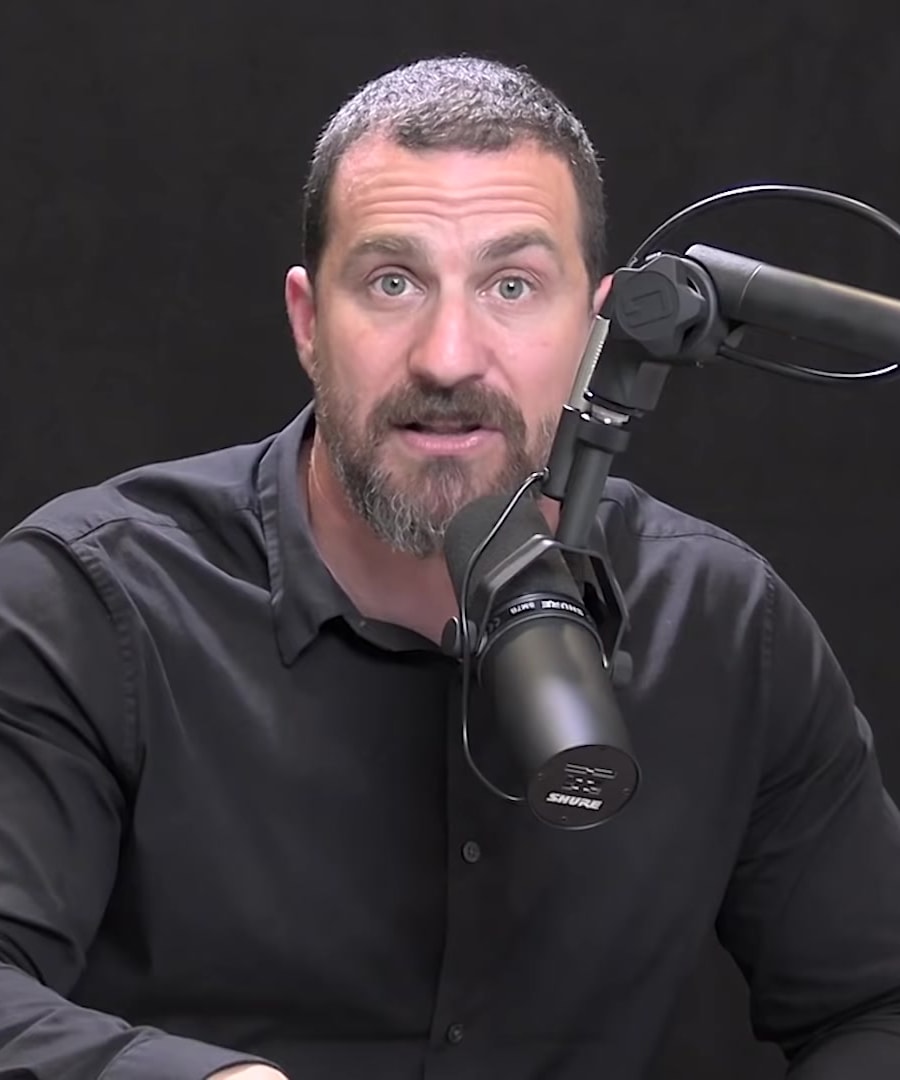



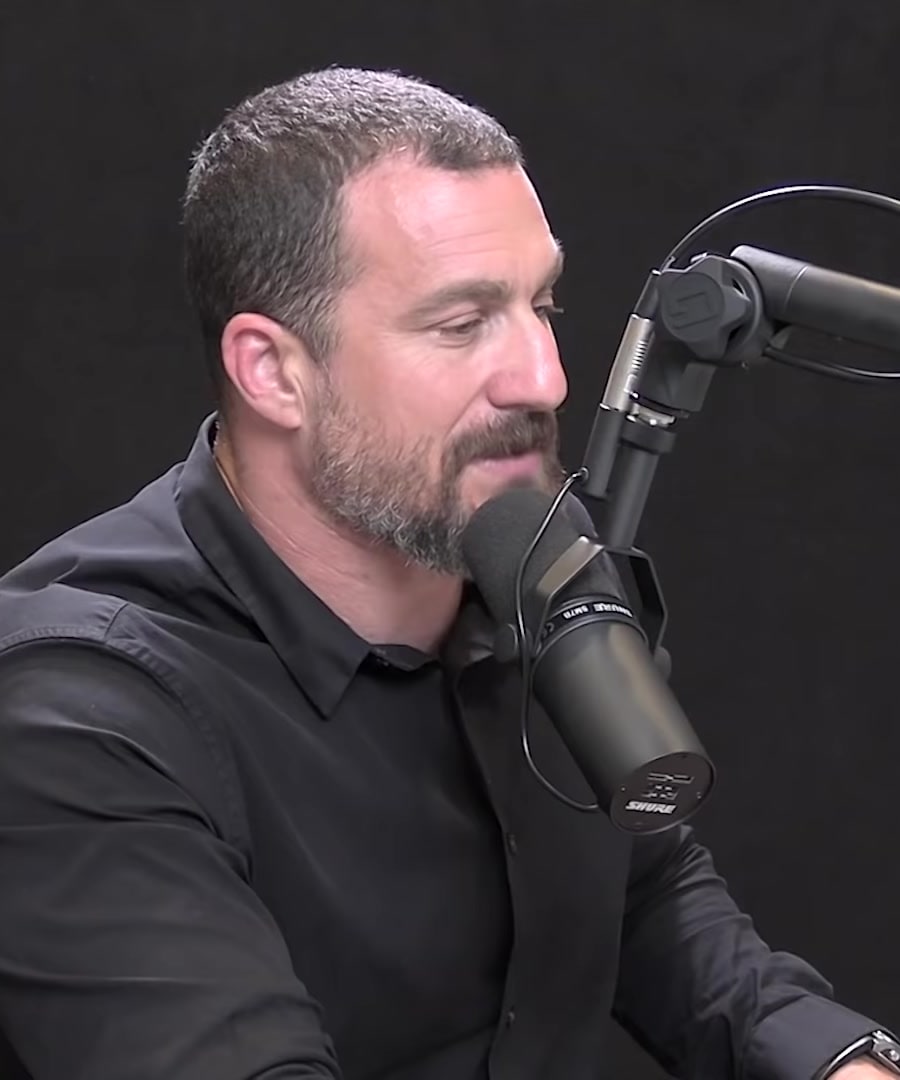

Questions from this episode
- Asked by 1,210 people
- Asked by 406 people
- Asked by 379 people
- Asked by 359 people
- Asked by 262 people
- Asked by 259 people
- Asked by 247 people
- Asked by 231 people
- Asked by 202 people
- Asked by 190 people
- Asked by 176 people
- Asked by 172 people
- Asked by 170 people
- Asked by 120 people
- Asked by 101 people
Episode Highlights
Genetic Roots
explores the genetic underpinnings of ADHD, emphasizing its strong hereditary component. He explains that having a close relative with ADHD significantly increases one's likelihood of developing the disorder, with identical twins showing up to a 75% concordance rate 1. Despite common misconceptions, ADHD is not linked to intelligence, and individuals with the disorder can exhibit a wide range of IQ levels 1. notes that ADHD can manifest as both distractibility and hyper-focus, where individuals can intensely concentrate on activities they find engaging 2.
People with ADHD have the capacity to attend, but they can't engage that attention for things that they don't really, really want to do.
---
The renaming from ADD to ADHD in the 1980s improved diagnosis and detection, highlighting the disorder's prevalence in both children and adults 1.
Neural Dynamics
The interaction between the default mode network and task-related networks in ADHD brains reveals unique neural dynamics. explains that in typical brains, these networks are anti-correlated, meaning they function in a seesaw manner to maintain focus 3. However, in ADHD, these networks are overly synchronized, leading to challenges in maintaining attention 4. Dopamine acts as a conductor, orchestrating these networks, but in ADHD, its role is disrupted, causing these networks to misfire 3.
In ADHD, the default mode networks and the tasks networks are actually more coordinated.
---
This misalignment results in impulsivity and distractibility, as the brain struggles to regulate attention and impulse control effectively 5.
Dopamine Impact
Dopamine plays a crucial role in ADHD, influencing focus and behavior. describes how dopamine acts as a neuromodulator, enhancing focus by narrowing attention and motivating pursuit of external stimuli 6. In ADHD, low dopamine levels lead to improper neural firing, disrupting attention networks and causing impulsivity 7. This has led to the development of dopaminergic treatments like Ritalin, which aim to correct these imbalances 8.
Dopamine is largely responsible for our ability and our drive to do that.
---
Huberman suggests that individuals with ADHD may self-medicate with substances that boost dopamine, such as caffeine or sugar, to improve focus 8.
Related Episodes

How to Focus to Change Your Brain | Huberman Lab Podcast #6
Answers 383 questions
Improve Focus with Behavioral Tools & Medication for ADHD | Dr. John Kruse
Answers 383 questionsHow to Increase Motivation & Drive | Huberman Lab Podcast #12
Answers 383 questions
Dr. Charan Ranganath: How to Improve Memory & Focus Using Science Protocols
Answers 383 questionsTools to Enhance Working Memory & Attention
Answers 383 questionsUnderstand & Improve Memory Using Science-Based Tools | Huberman Lab Podcast #72
Answers 383 questionsThe Science & Treatment of Bipolar Disorder | Huberman Lab Podcast #82
Answers 383 questions