LIVE EVENT Q&A: Dr. Andrew Huberman at the Sydney Opera House

Topics covered
Popular Clips




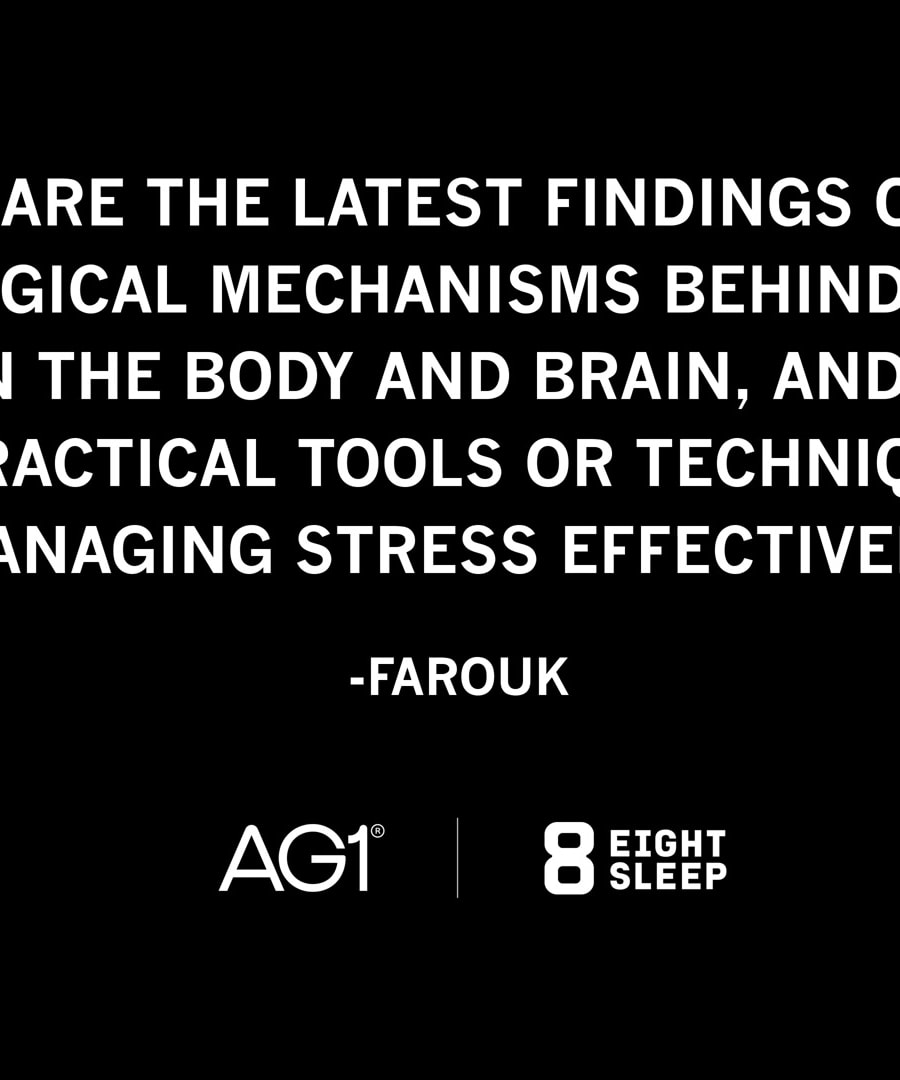







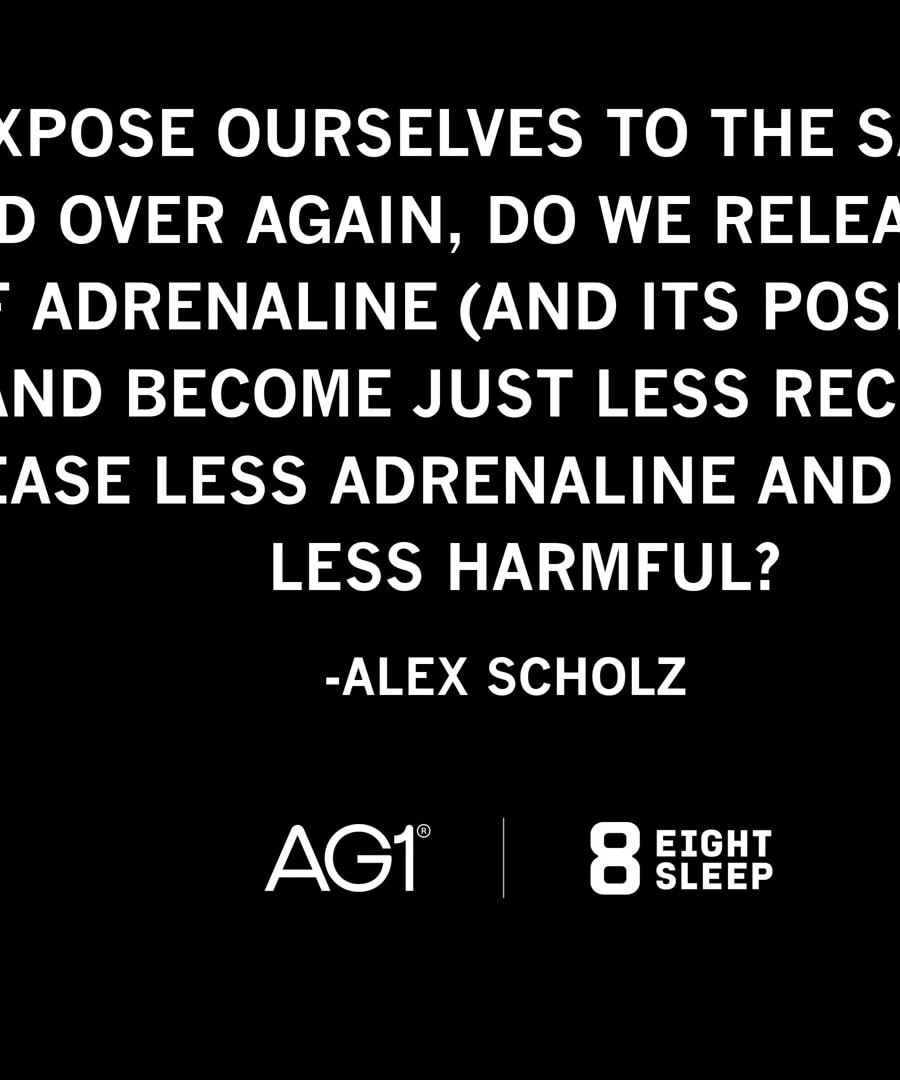

Questions from this episode
- Asked by 2,453 people
- Asked by 2,149 people
- Asked by 1,279 people
- Asked by 1,200 people
- Asked by 1,148 people
- Asked by 1,037 people
- Asked by 808 people
- Asked by 646 people
- Asked by 580 people
- Asked by 304 people
- Asked by 281 people
- Asked by 265 people
- Asked by 262 people
- Asked by 258 people
Episode Highlights
Visual Focus
The relationship between visual focus and time perception is fascinating. explains that our perception of time is influenced by where we direct our gaze. When we focus on nearby objects, our brain processes time in smaller increments, leading to a heightened sense of time passing. Conversely, looking at distant objects results in a broader perception of time, making it seem like it passes more quickly 1. This dynamic is rooted in our visual system's role in anchoring us in time, as notes:
Our perception of time is more fine-grained when we focus on things up close.
---
This understanding of time perception is crucial for activities requiring different levels of focus and attention 2.
Psychedelics
Psychedelics like psilocybin and MDMA significantly alter time perception by affecting brain connectivity. shares his personal experiences with these substances, highlighting their potential to enhance emotional processing and insight 3. These substances mimic serotonin, leading to increased lateral connectivity in the brain, which can result in profound shifts in how time is perceived and experienced. emphasizes the importance of set and setting for safe and insightful experiences:
They allow us to see relationships between events of past and present, and hopefully anticipate certain actions and changes into the future.
---
This altered state of consciousness can provide therapeutic benefits, particularly in understanding and processing emotional experiences 4.
Stress Impact
Stress profoundly impacts our perception of time, either accelerating or decelerating it based on our mindset. discusses how beliefs about stress can shape our physiological responses, with positive mindsets potentially enhancing performance and focus 5. The amygdala, a key brain structure, plays a role in this process by detecting novelty and adjusting our arousal levels accordingly. Over time, repeated exposure to stressors can lead to habituation, reducing the adrenaline response 6. highlights the importance of understanding stress's dual nature:
Whatever you believe about stress, provided the information you have, is true, is what happens.
---
This insight underscores the power of mindset in managing stress and its effects on time perception.
Related Episodes

LIVE EVENT Q&A: Dr. Andrew Huberman Question & Answer in Melbourne, AU
Answers 383 questionsLIVE EVENT Q&A: Dr. Andrew Huberman at the ICC Sydney Theatre
Answers 383 questionsLIVE EVENT Q&A: Dr. Andrew Huberman Question & Answer in Toronto, ON
Answers 383 questionsLIVE EVENT Q&A: Dr. Andrew Huberman at the Brisbane Convention & Exhibition Centre
Answers 383 questionsAMA #16: Sleep, Vertigo, TBI, OCD, Tips for Travelers, Gut-Brain Axis & More
Answers 383 questions
Dr. David Berson: Your Brain's Logic & Function | Huberman Lab Podcast #50
Answers 383 questionsHow to Optimize Your Brain-Body Function & Health | Huberman Lab Podcast #30
Answers 383 questionsUsing Science to Optimize Sleep, Learning & Metabolism | Huberman Lab Podcast #3
Answers 383 questions
Dr. Gary Steinberg: How to Improve Brain Health & Offset Neurodegeneration
Answers 383 questionsTools for Managing Stress & Anxiety | Huberman Lab Podcast #10
Answers 383 questions
Dr. Karl Deisseroth: Understanding & Healing the Mind | Huberman Lab Podcast #26
Answers 383 questionsHow To Build Endurance In Your Brain & Body | Huberman Lab Podcast #23
Answers 383 questions