
Want To Visit The White House? Don't Be White!

Topics covered
Popular Clips


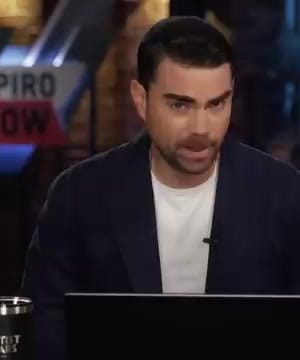


Episode Highlights
Media Bias
In recent discussions, highlights perceived media bias against political figures like Ron DeSantis. He argues that both the media and political opponents, such as Donald Trump, have targeted DeSantis, portraying him as a failing candidate despite his significant support 1. Shapiro suggests that this narrative is constructed to undermine DeSantis's potential presidential run, reflecting broader media tendencies to shape public perception.
Every story that's coming out from the mainstream media these days is talking about the inevitable failure of Ron DeSantis.
---
Additionally, Shapiro discusses the challenges faced by conservative media outlets, including censorship and demonetization by tech giants like YouTube and TikTok. He notes that these platforms often apply standards inconsistently, impacting the reach and revenue of conservative voices 2.
Grandstanding
Political grandstanding is another focal point, with criticizing figures like Justin Jones for using media attention to advance personal agendas. Jones, who brought a fake child's coffin to the Tennessee state Capitol, is accused of exploiting tragic events for political gain 3. Shapiro argues that such actions are not only distasteful but also indicative of a broader trend where media narratives are manipulated to fit specific agendas.
It's just grandstanding of the highest and most disgusting order.
---
Furthermore, Shapiro discusses the call for legislation to protect "blackness," as advocated by Ralph Yarl's family attorney. He questions the framing of such cases as indicative of systemic racial issues, suggesting that these narratives are often used to promote specific political agendas 4.
Related Episodes


The White House Isn’t Alright, Alright, Alright | Ep. 1510
Answers 383 questionsThe White House vs. Tucker Carlson
Answers 383 questionsWho Wants To Be Speaker of the House?
Answers 383 questionsThe White Supremacists Are Coming!!!!
Answers 383 questionsCorruption, Chaos, and Cretinism | Ep. 472
Answers 383 questionsTrump Meets Biden At The White House!
Answers 383 questionsThe White House Correspondents’ Dog’s Breakfast | Ep. 528
Answers 383 questions
The White House Cocaine Snorter Escapes!
Answers 383 questionsEp. 210 - Trump White House Takes Shape
Answers 383 questionsWho Left Their Cocaine At The White House?
Answers 383 questionsConservatives Not Welcome | Ep. 507
Answers 383 questionsWhite House MELTDOWN As Biden Yells At Americans
Answers 383 questionsThey Want You Fat, Stupid, And Lazy
Answers 383 questionsBoycott All The Things! | Ep. 835
Answers 383 questions