
The White House Correspondents’ Dog’s Breakfast | Ep. 528
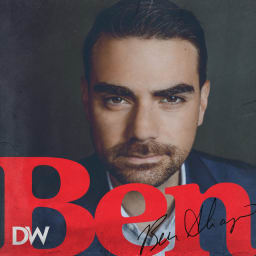
Topics covered
Popular Clips


Episode Highlights
Media Hypocrisy
criticizes the media for their perceived hypocrisy in covering political figures and events. He points out the inconsistency in how the media condemns Donald Trump for his controversial remarks while praising comedians like Michelle Wolf for similar behavior 1. Shapiro argues that this double standard is evident in the media's reaction to Wolf's performance at the White House Correspondents' Dinner, where they failed to hold her accountable for her offensive jokes 2. He also highlights a biased portrayal of Jordan Peterson by NBC News, labeling him as an "alt-right intellectual" despite his clear opposition to such ideologies 3.
The media should not complain about Trump if they're not going to complain about Michelle Wolf.
---
This perceived bias, according to Shapiro, undermines the media's credibility and fuels public distrust.
Public Perception
The impact of media bias on public perception is profound, as explains. He argues that the media's selective outrage and inconsistent standards contribute to a growing distrust among audiences 4. Shapiro cites the reaction to Michelle Wolf's controversial jokes at the White House Correspondents' Dinner as an example of how media narratives can shape public opinion 5.
The disrespect for human life there, I think, is a lot more deeply troubling from the left than the disrespect for Sarah Huckabee Sanders.
---
This selective coverage, he suggests, reinforces existing biases and divides, rather than fostering informed discourse.
Political Criticism
Criticism of political coverage is a recurring theme in 's analysis. He highlights how the media's treatment of political figures often reflects underlying biases, particularly in their coverage of Donald Trump and his administration 6. Shapiro notes that the White House Correspondents' Dinner has historically been a platform for roasting Republican figures, while Democratic leaders like Barack Obama were largely spared from similar scrutiny 7.
One of the great lies the media have put out over the past several years is that President Trump is the one who ginned up all of this dislike of the media.
---
This perceived favoritism, he argues, exacerbates partisan tensions and undermines the media's role as an objective observer.
Related Episodes

Like A Dog | Ep. 887
Answers 383 questionsMr. Shapiro Goes To Washington | The Ben Shapiro Show Ep. 350
Answers 383 questionsThe White House vs. Tucker Carlson
Answers 383 questionsFacebook On The Hot Seat | Ep. 501
Answers 383 questionsAmerican Horror Story | Ep. 832
Answers 383 questionsEp. 210 - Trump White House Takes Shape
Answers 383 questionsCorruption, Chaos, and Cretinism | Ep. 472
Answers 383 questionsHillary’s Email Revenge | The Ben Shapiro Show Ep. 664
Answers 383 questionsTrump vs. The Intelligence Community | Ep. 585
Answers 383 questionsEp. 294 - Journalists Prove They're Smug Leftist Elites
Answers 383 questionsThe Media Say Trump Is The WORST EVER. They’re Wrong. | The Ben Shapiro Show Ep. 341
Answers 383 questionsWant To Visit The White House? Don't Be White!
Answers 383 questionsJoker's Wild | Ep. 950
Answers 383 questions
The White House Cocaine Snorter Escapes!
Answers 383 questionsCulture Wars Matter, Political Wars Don’t | The Ben Shapiro Show Ep. 398
Answers 383 questions