
Being Alive | Ep. 730
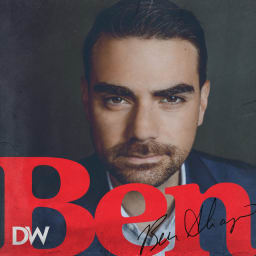
Topics covered
Popular Clips


Episode Highlights
Media Bias
Ben Shapiro highlights instances of media bias, particularly in narratives surrounding political figures like Mike Pence and Ilhan Omar. He criticizes the Washington Post for publishing false claims about Pence, arguing that the media supports unfounded narratives to maintain a particular agenda. Shapiro points out that the media often overlooks inaccuracies if they align with their preferred narratives, stating, "You can lie about the vice president of the United States because it supports the narrative, and that narrative will continue to be supported because it is unfalsifiable."
You can lie about the vice president of the United States because it supports the narrative, and that narrative will continue to be supported because it is unfalsifiable.
---
He also discusses how media bias allows political figures to escape scrutiny, as seen in the coverage of Ilhan Omar's controversial comments 1 2.
Crisis Narratives
Shapiro critiques the media's portrayal of constant crises, arguing that it influences public perception and politics. He suggests that the media profits from a crisis mentality, which leads to increased polarization and a demand for government intervention. Shapiro explains, "The media make a lot of money off crisis, thinking off the idea that this is the end of the world, that being alive is, in essence, a dangerous bargain."
The media make a lot of money off crisis, thinking off the idea that this is the end of the world, that being alive is, in essence, a dangerous bargain.
---
He argues that this narrative is not only inaccurate but also serves to bolster radical political agendas 3 4.
Woke Ideology
Shapiro discusses how the media promotes woke narratives, influencing public discourse around identity and social justice issues. He criticizes the media for prioritizing these narratives over factual reporting, suggesting that they provide cover for those who echo woke ideologies. Shapiro notes, "It's unbelievable, wokeness, this belief that America is naturally bad, that the western is naturally filled with inequality and poverty and cruelty and malice."
It's unbelievable, wokeness, this belief that America is naturally bad, that the western is naturally filled with inequality and poverty and cruelty and malice.
---
He argues that this approach undermines genuine discourse and perpetuates a skewed view of societal issues 5 6.
Related Episodes

Of Freshness and Faceness | Ep. 815
Answers 383 questionsIt’s Not Easy Being Green | Ep. 714
Answers 383 questionsLive Socialist Or Die | Ep. 951
Answers 383 questionsThe Age Of AOC | Ep. 1570
Answers 383 questionsBeing Radical Means Never Having To Say True Things | Ep. 689
Answers 383 questionsPolitical Lives Matter | Ep. 1049
Answers 383 questionsEverything Is Lit | Ep. 729
Answers 383 questionsPolitical Mass Suicide On National TV | Ep. 854
Answers 383 questionsFree Everything! | Ep. 808
Answers 383 questionsTyranny With A Smile | Ep. 724
Answers 383 questionsThe Wonderfully Self-Flattering World Of Barack Obama | Ep. 1137
Answers 383 questionsRepublicans POUNCE! | Ep. 701
Answers 383 questionsThe Coming Apocalypse Nobody Cares About | Ep. 554
Answers 383 questionsThe Unbearable Whiteness Of Being | Ep. 1053
Answers 383 questionsThe Ingratitude Trap | Ep. 743
Answers 383 questions