
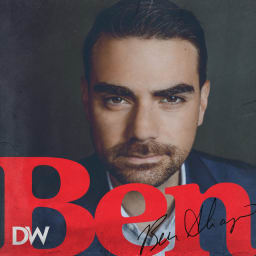
The Actual Big Issue | Ep. 610
Topics covered
Popular Clips


Episode Highlights
Enquirer & Cohen
The involvement of the National Enquirer and Michael Cohen in the Trump investigations has raised significant concerns. highlights the Enquirer's alleged safe containing documents on hush money payments, potentially implicating President Trump in campaign finance violations 1. This investigation is perceived as one-sided, with critics arguing that similar scrutiny was not applied to Hillary Clinton's campaign activities 2. Shapiro notes that the Manhattan District Attorney's office is considering charges against the Trump Organization, which could have serious implications for Trump's family 3.
There's a feeling like this fruit of the poisonous tree on the right that the Russian investigation began, it was begun on bad auspices.
---
The potential state charges against the Trump Organization could escalate tensions further.
Sessions & Justice
Attorney General Jeff Sessions' role in the investigations has been a point of contention, particularly with President Trump. Shapiro discusses Trump's frustration with Sessions for not protecting him from investigations, contrasting this with Sessions' commitment to upholding the law 4. Shapiro argues that the rule of law should apply to everyone, and Sessions' recusal was appropriate despite political pressures 5. Trump's public criticism of Sessions highlights the ongoing tension between them, with Shapiro defending Sessions' actions as aligned with legal integrity 6.
The solution to unfairness, I don't think, is more unfairness.
---
This tension underscores the broader debate over the role of the Justice Department in politically sensitive investigations.
Media & Bias
Media coverage plays a crucial role in shaping public perception of the Trump investigations. Shapiro criticizes the media for focusing on scandals while ignoring other serious issues, suggesting a bias in how stories are reported 7. He points out CNN's portrayal of Ruth Bader Ginsburg as an example of media bias, questioning the lack of similar coverage for conservative figures 8. Shapiro also highlights the selective attention given to cases like Molly Tibbets', where media narratives shift based on political agendas 9.
The media tend to focus on more attractive victims. That's just the way the media works.
---
Such biases can influence public discourse and the perceived legitimacy of investigations.
Related Episodes

The Media’s Big Boo Boo | Ep. 532
Answers 383 questionsEp. 272 - Can Trump Actually Fulfill His Promises?
Answers 383 questionsTrump’s Big Tax Day | Ep. 440
Answers 383 questionsThe FBI's Big Booboo | Ep. 560
Answers 383 questionsEp. 280 - A Massive Bombshell Helps Trump
Answers 383 questionsThe Economist's Big Alt-Right Lie | Ep. 747
Answers 383 questionsThe Abortion Issue Explodes
Answers 383 questionsEp. 265 - Trump Tweets, The World Goes Insane
Answers 383 questionsEp. 210 - Trump White House Takes Shape
Answers 383 questionsTrump’s Big Test Run | Ep. 857
Answers 383 questionsThe Biggest Story In The Country Nobody Will Report | Ep. 1249
Answers 383 questionsThe Day After | Ep. 656
Answers 383 questionsGood Trump, Bad Trump: The Revenge | Ep. 845
Answers 383 questionsThe Day After | Ep. 609
Answers 383 questionsTrump On The Brink Of A Big Win | Ep. 427
Answers 383 questions