
Raphael Arndt – The Death of Traditional Portfolio Construction? (EP.365)
Topics covered
Popular Clips
Episode Highlights
Leadership
navigated the Future Fund through significant changes, emphasizing the importance of aligning leadership with organizational culture and goals. He faced the challenge of engaging the organization during the pandemic, focusing on the purpose of supporting the Australian economy and various social initiatives 1. Raphael highlighted the need to adapt to external changes, such as inflation and societal expectations, by repositioning both the portfolio and the organization's mindset 2.
The purpose piece wasn't hard, but for me, it was a new skill to talk to a whole organization about that in a health crisis when we were locked in our homes in Melbourne for 262 days.
---
He stressed the importance of long-term trends and secular cycles in shaping strategy.
Collaboration
Raphael's approach to investment collaboration focuses on fostering a culture of innovation and inclusivity within the organization. He introduced principles like collaborate, facilitate, innovate, and deliberate to enhance decision-making processes at the portfolio level 3. This strategy encourages boldness and adaptability, crucial for navigating the uncertainties of the investment world.
We try to look through that in a more granular way to say, well, these subsets, let's say, of real estate in these geographies will behave this way, but some other type of real estate will behave differently.
---
Raphael also emphasized the importance of strategic asset allocation, focusing on true diversity rather than traditional diversification 4.
Culture
Mentorship and a strong organizational culture are pivotal in Raphael's leadership philosophy. He drew inspiration from successful models like Disney University to imbue culture from day one, ensuring new employees understand the organization's values and goals 5. Raphael's career was significantly influenced by mentors who believed in his potential, highlighting the importance of support and guidance in professional growth.
On my very first day of work as an engineer in Australia in the early nineties, there was quite a big recession and I walked into my job and 30 people got made redundant on my floor that day.
---
He also focused on building a culture of trust, where open communication and challenging ideas are encouraged to drive better investment performance 6.
Related Episodes
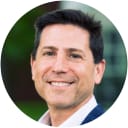

[REPLAY] Raphael Arndt – Australia’s Sovereign Wealth Fund CIO (EP.70)
Answers 383 questions
Ashby Monk – Innovation in Institutional Portfolios (Capital Allocators, EP.196)
Answers 383 questionsAndy Redleaf - Evolution of Markets (Capital Allocators, EP.46)
Answers 383 questions
Andrew Golden – Beyond the Long Term (Capital Allocators, EP.13)
Answers 383 questions
André Perold – Academic Practitioner (Capital Allocators, EP.02)
Answers 383 questions
Eric Peters - Paradigm Shifts and Solutions at One River (EP.422)
Answers 383 questions
Deep Dive into Hedge Funds (Capital Allocators, EP.34)
Answers 383 questions
Kristof Gleich – Boutique Managers and Active ETFs at Harbor Capital (EP.411)
Answers 383 questions[REPLAY] André Perold – Academic Practitioner (Capital Allocators, EP.02)
Answers 383 questions
Stephen Nesbitt – Innovation in Private Markets for RIAs (EP.410)
Answers 383 questionsDaniel Adamson – Innovation from Asset Giants at Capital Constellation (EP.136)
Answers 383 questions
