I interviewed the Founder of ChatGPT
Topics covered
Popular Clips


Questions from this episode
- Asked by 135 people
- Asked by 37 people
- Asked by 16 people
- Asked by 11 people
- Asked by 9 people
- Asked by 8 people
- Asked by 7 people
- Asked by 1 person
Episode Highlights
AI in Writing
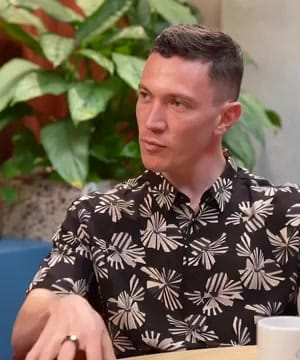
Sam Altman explores how ChatGPT can revolutionize the writing process by lowering the activation energy required to produce content. He envisions a future where writing becomes a high-volume, low-stakes activity, allowing for creativity to flourish without the burden of extensive preparation 1. Sam also highlights ChatGPT's ability to amplify different writing styles and personas, making it a valuable tool for creative expression 1. He describes ChatGPT as a collaborator that helps writers overcome creative blocks, acting as a super thesaurus or sparring partner in the writing process 2.
The thing that I hope for more than anything else out of chat GPT and future versions, is that it will be a tool that lets us do things we just couldn't do before, think of ideas we just couldn't have before, be more creative than we could be before.
---
Sam's insights reveal a future where AI not only assists in writing but also expands the boundaries of human creativity.
AI Writing Challenges
Despite the potential of AI in writing, Sam Altman acknowledges the challenges and criticisms surrounding AI-generated content. He notes the prevalence of subpar AI writing on the internet and in academic settings, which raises concerns about quality and authenticity 3. Sam questions whether AI can truly surpass human writers, emphasizing the unique qualities that human creativity brings to the table 4. Even if AI could write better than humans, he suggests that the essence of writing lies in the human experience and perspective 5.
There's a lot of bad AI writing plastered over the Internet, and there's a lot of bad student assignments that have probably been written by AI.
---
These reflections highlight the ongoing debate about the role of AI in creative fields and the importance of maintaining human elements in writing.
Future of Authorship
Sam Altman discusses the evolving role of AI in writing and its implications for authorship. He observes that AI tools like ChatGPT are becoming integral to various workflows, yet they still require better integration to maximize their potential 6. Sam speculates on the future of authorship, questioning whether the most popular novel of 2027 will bear a human name or not 7. This speculation underscores the transformative impact AI could have on the literary world, challenging traditional notions of authorship and creativity.
Do you think that the most popular novel of 2027 has a human name on it or not?
---
Sam's insights prompt a reevaluation of how we perceive authorship in an AI-driven world, where technology and creativity increasingly intersect.
Related Episodes


How to Write with AI | Steven Johnson | How I Write Podcast
Answers 383 questions
Write Like a Billionaire | Chamath Palihapitiya | How I Write Podcast
Answers 383 questions
How Writing Helped This CEO Build a $300m+ Company
Answers 383 questionsWhy You Should Write Online | Chamath Palihapitiya | How I Write Podcast
Answers 383 questions
Tim Ferriss: How I Wrote 5 #1 NYT Bestsellers | How I Write Podcast
Answers 383 questions
How This Productivity Master Writes | Ali Abdaal | How I Write Podcast
Answers 383 questionsHow I Write | Trailer
Answers 383 questionsWhat is bad writing? Chamath Palihapitiya
Answers 383 questions
Turn Your Knowledge into a Bestseller with Peter Attia | How I Write Podcast
Answers 383 questions
How Ben Thompson Built a Writing Empire
Answers 383 questions
Why Great Writers Use Simple Language | How I Write Podcast
Answers 383 questions
How Writing Helped Jason Fried Build an 8-Figure Business
Answers 383 questions