
Joe Rogan Experience #2079 - Brigham Buhler

Topics covered
Popular Clips


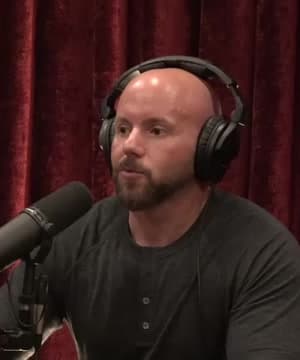

Episode Highlights
Insurance Profits
Brigham Buhler exposes the profit-driven motives of insurance companies and pharmacy benefit managers (PBMs) in the healthcare system. He explains how PBMs, initially intended to negotiate drug prices for consumers, have evolved to prioritize their own financial gains, often at the expense of patients. This manipulation is evident in the way drugs are priced and tiered, with PBMs benefiting from rebates rather than passing savings to consumers 1.
The margins are made in the mystery. The more confusing the insurance companies can make it, and the more convoluted they can make it, the more profits they can make.
---
Buhler highlights the systemic issues where insurance companies raise premiums and out-of-pocket expenses, further burdening patients while maximizing their profits 2.
PBM Manipulation
Pharmacy benefit managers play a pivotal role in the healthcare system, often manipulating pricing structures for profit. Brigham Buhler reveals that PBMs, through rebates and tiered pricing, significantly inflate drug costs, leaving pharmaceutical companies with a fraction of the profits 3. This practice not only affects drug pricing but also impacts which medications are covered by insurance plans, often prioritizing financial interests over patient needs.
Pharmacy benefit managers are making billions upon billions of dollars a year. They decide what gets covered, what goes on your insurance plan, what your copay is, what your deductible is, and they can move any lever at any time.
---
Buhler emphasizes the need for transparency and reform, as these practices contribute to the rising costs of healthcare and limit patient access to necessary medications 4.
Pricing Disparities
The disparity between drug production costs and consumer prices is stark, with insulin serving as a prime example. Brigham Buhler discusses how the Senate Finance Committee found that while the average price of insulin is $381, the pharmaceutical company receives less than $40, with the rest going to PBMs and insurance companies 3. This discrepancy highlights the systemic issues within drug pricing, where patients often pay more than the actual cost of the drug due to inflated copays and deductibles.
The average price of this insulin is $381... Out of that, the pharmaceutical company got less than $40.
---
Buhler's insights reveal the urgent need for a more equitable pricing model that prioritizes patient affordability and access to essential medications 4.
Related Episodes


Joe Rogan Experience #2208 - Brigham Buhler
Answers 383 questions
Joe Rogan Experience #2026 - Peter Berg
Answers 383 questions
Joe Rogan Experience #1756 - John Abramson
Answers 383 questions
Joe Rogan Experience #736 - Brendan Schaub & Bryan Callen
Answers 383 questions
Joe Rogan Experience #1683 - Andrew Huberman
Answers 383 questions
Joe Rogan Experience #1330 - Bernie Sanders
Answers 383 questions
Joe Rogan Experience #1091 - Daniele Bolelli
Answers 383 questions
Joe Rogan Experience #700 - Dr. Mark Gordon & Andrew Marr
Answers 383 questions
Joe Rogan Experience #2060 - Gary Brecka
Answers 383 questions
Joe Rogan Experience #1864 - Alex Berenson
Answers 383 questions
Joe Rogan Experience #1406 - Brian Redban
Answers 383 questions
Joe Rogan Experience #968 - Kelly Brogan
Answers 383 questions
Joe Rogan Experience #180 - Joey Diaz, Eddie Bravo, Denny Prokopos
Answers 383 questions
Joe Rogan Experience #1515 - Dr. Bradley Garrett
Answers 383 questionsJoe Rogan Experience #236 - Eddie Bravo
Answers 383 questions