
Joe Rogan Experience #2077 - Tim Dillon

Topics covered
Popular Clips
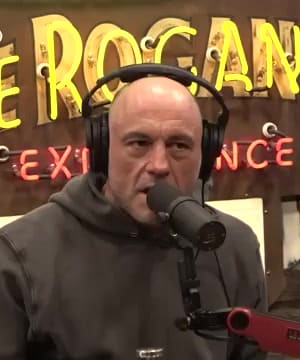






Episode Highlights
Perception
The perception of war is heavily influenced by media and personal narratives, as and discuss. Tim shares a poignant moment when someone asked him to imagine the terror of being in a city under bombardment, highlighting the disconnect between strategic objectives and human suffering 1. Joe recalls Brian Callan's childhood experience in Beirut, emphasizing the lasting impact of witnessing destruction firsthand 1. Tim also critiques the modern media landscape, where platforms like TikTok expose audiences to the brutal realities of conflict, leading to a diminished tolerance for violence 1.
Disillusionment
Disillusionment with military conflicts often stems from perceived corruption and unfulfilled promises. Tim reflects on the Iraq War, noting how many in his generation became disillusioned after witnessing the financial gains of a few juxtaposed with widespread loss and devastation 2. He questions the motives behind leaving military equipment in Afghanistan, suggesting it might perpetuate conflict for strategic interests 2. Joe and Tim also discuss the vast sums of aid sent to Ukraine, raising concerns about accountability and the potential for funds to disappear amidst the chaos of war 3.
Comparisons
Comparing current and historical conflicts reveals shifting public sentiments and military strategies. Tim argues that the justification for involvement in global conflicts often hinges on protecting "values," a narrative that can obscure ulterior motives 4. He highlights the inconsistency in how different conflicts are perceived, noting that some, like the Yemen crisis, receive less attention despite severe humanitarian impacts 4. Tim also critiques intellectuals who, he claims, often escape accountability for their influential yet flawed opinions, drawing parallels to past support for misguided policies 5.
Related Episodes


Joe Rogan Experience #2162 - Tim Dillon
Answers 383 questionsJoe Rogan Experience #1390 - Tim Dillon
Answers 383 questionsJoe Rogan Experience #2019 - Tim Dillon
Answers 383 questionsJoe Rogan Experience #1752 - Tim Dillon
Answers 383 questionsJoe Rogan Experience #2224 - Tim Dillon
Answers 383 questionsJoe Rogan Experience #1251 - Tim Dillon
Answers 383 questionsJoe Rogan Experience #1860 - Tim Dillon
Answers 383 questionsJoe Rogan Experience #1677 - Tim Dillon
Answers 383 questionsJoe Rogan Experience #1525 - Tim Dillon
Answers 383 questionsJoe Rogan Experience #1544 - Tim Dillon
Answers 383 questionsJoe Rogan Experience #1457 - Tim Dillon
Answers 383 questions
Joe Rogan Experience #1857 - Seth Dillon
Answers 383 questionsJoe Rogan Experience #1610 - Snowpacalypse with Tim Dillon
Answers 383 questions
Joe Rogan Experience #548 - Tim Burnett
Answers 383 questionsJoe Rogan Experience #1117 - Tim Kennedy
Answers 383 questions