
Joe Rogan Experience #2077 - Tim Dillon

Topics covered
Popular Clips
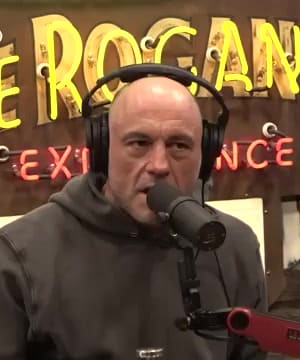
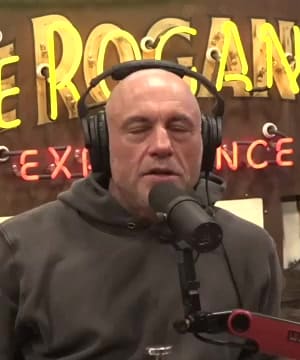





Episode Highlights
Media Influence
The conversation highlights how news outlets manipulate narratives to serve specific agendas, significantly influencing public perception. and discuss the media's role in shaping political figures, like Donald Trump, who benefited from extensive coverage. Tim notes, "They ultimately kind of want him. Kind of engineered his comeback to a degree" 1. The shift from traditional cable news to the internet has opened a floodgate of diverse ideas, making it challenging to discern truth from propaganda 2. This has led to an erosion of trust in institutions, as individuals now navigate a complex media landscape on their own 3.
Messaging Failures
Political messaging often fails to resonate with the public, leading to unexpected outcomes. Tim criticizes the lack of engaging political figures and the outdated strategies that fail to connect with modern audiences 4. He highlights the shift in political narratives post-9/11, where initial support for global dominance waned after the Iraq War 4. The discussion also touches on the accountability of aid, with questioning the transparency of U.S. aid to Ukraine, noting, "How much of this aid disappears off the backs of trucks?" 5.
Public Figures
Controversial public figures often incite strong reactions, impacting public discourse. Tim and Joe discuss the certainty of youth in political opinions, amplified by platforms like TikTok, where young adults express their views with unwavering confidence 6. Tim humorously imagines a future where a political figure could run the country from prison, reflecting on the bizarre nature of modern politics 7. He also critiques intellectuals who, unlike other professionals, face no consequences for being wrong, stating, "Intellectuals can be wrong all the time without consequence" 8.
Related Episodes


Joe Rogan Experience #2162 - Tim Dillon
Answers 383 questionsJoe Rogan Experience #1390 - Tim Dillon
Answers 383 questionsJoe Rogan Experience #2019 - Tim Dillon
Answers 383 questionsJoe Rogan Experience #1752 - Tim Dillon
Answers 383 questionsJoe Rogan Experience #2224 - Tim Dillon
Answers 383 questionsJoe Rogan Experience #1251 - Tim Dillon
Answers 383 questionsJoe Rogan Experience #1860 - Tim Dillon
Answers 383 questionsJoe Rogan Experience #1677 - Tim Dillon
Answers 383 questionsJoe Rogan Experience #1525 - Tim Dillon
Answers 383 questionsJoe Rogan Experience #1544 - Tim Dillon
Answers 383 questionsJoe Rogan Experience #1457 - Tim Dillon
Answers 383 questions
Joe Rogan Experience #1857 - Seth Dillon
Answers 383 questionsJoe Rogan Experience #1610 - Snowpacalypse with Tim Dillon
Answers 383 questions
Joe Rogan Experience #548 - Tim Burnett
Answers 383 questionsJoe Rogan Experience #1117 - Tim Kennedy
Answers 383 questions