What You Can Learn From History's Greatest Innovators | Walter Isaacson | The Knowledge Project 121

Topics covered
Popular Clips

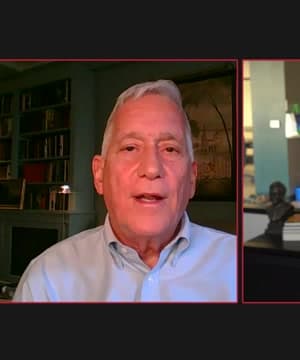






Episode Highlights
CRISPR Race
The origins of CRISPR technology are marked by intense competition and groundbreaking discoveries. explains the race between Jennifer Doudna and Emmanuel Charpentier against other global labs, notably Feng Zhang at the Broad Institute. Despite losing the initial patent race, Doudna and Charpentier's pioneering work on repurposing CRISPR to cut DNA at targeted spots earned them the Nobel Prize 1 2.
Competition helps spur science. It's a good thing. Competition can be for patents, it can be for Nobel Prizes, it can be for publication priority. And in this case, it's a race.
---
Isaacson highlights how competition, while sometimes leading to ethical lapses, often drives scientists to achieve remarkable feats 1.
Ethical Concerns
The ethical implications of gene editing are profound and multifaceted. recounts Doudna's nightmare of Adolf Hitler wanting to understand CRISPR, symbolizing the potential misuse of this technology 3. This fear led her to gather scientists, ethicists, and policymakers to establish guidelines for its use.
My book is about her not only inventing these tools with her colleagues, but also then gathering scientists as well as ethicists and politicians and ordinary people to say, what are the rules of the road?
---
The debate over a moratorium on inheritable edits highlights the need for careful consideration and regulation, with differing views on how to proceed 4.
Human Impact
Personal stories bring the ethical dilemmas of gene editing to life. shares the story of David Sanchez, a young man with sickle cell disease, who initially believed his children should decide if they wanted to be edited but later changed his mind, not wanting them to suffer 5.
It's a slippery slope, but slippery slopes are a little bit safer if you do it hand in hand, step by step. And that's what this book is about.
---
These narratives underscore the complexity of gene editing decisions and the importance of inclusive discussions involving all stakeholders 3.
Related Episodes


Daniel Gross | The Knowledge Project #56
Answers 383 questions

6 Life-Changing Philosophical Insights | The Knowledge Project Podcast 170
Answers 383 questions

10 Lessons From the Smartest Minds In The World | The Knowledge Project 127
Answers 383 questions
5 Lessons to Make You a Great Leader | Knowledge Project Podcast 160 (Audio)
Answers 383 questions
Principles for Lifelong Learning | Morgan Housel | Knowledge Project Podcast (Audio)
Answers 383 questionsJim Collins — Good to Great — The Knowledge Project #67
Answers 383 questions
Steven Strogatz — The Knowledge Project #73
Answers 383 questions
Esther Wojcicki — The Knowledge Project #79
Answers 383 questions
Hugh Howey | The Knowledge Project #63
Answers 383 questions
Rules for Winning the Game of Life | Adam Robinson | Knowledge Project Podcast 47
Answers 383 questions
John Maxwell — The Knowledge Project #80
Answers 383 questions
AI Researcher Reveals How to Set the Right Objectives | Knowledge Project Podcast
Answers 383 questions
Tobi Lütke: Empowering a World of Rebels | Knowledge Project Podcast
Answers 383 questions