Lee Cronin: Controversial Nature Paper on Evolution of Life and Universe | Lex Fridman Podcast #404

Topics covered
Popular Clips


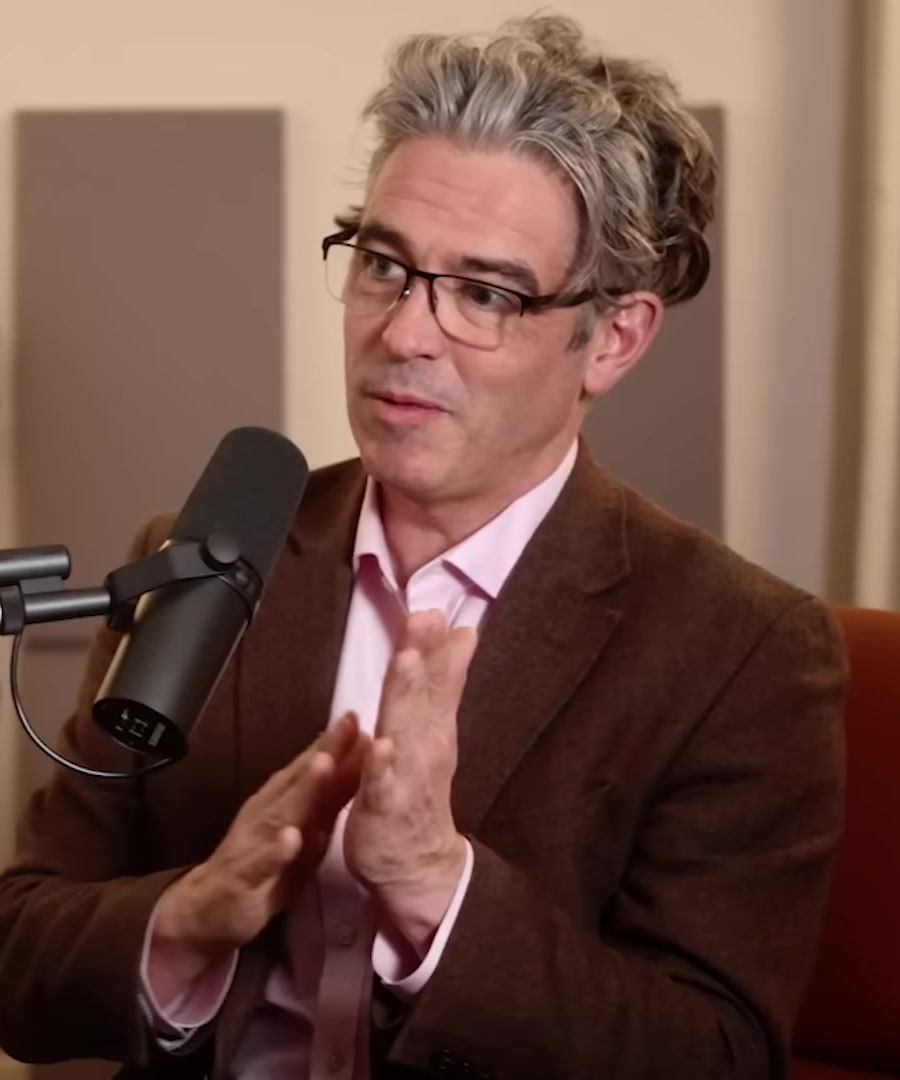

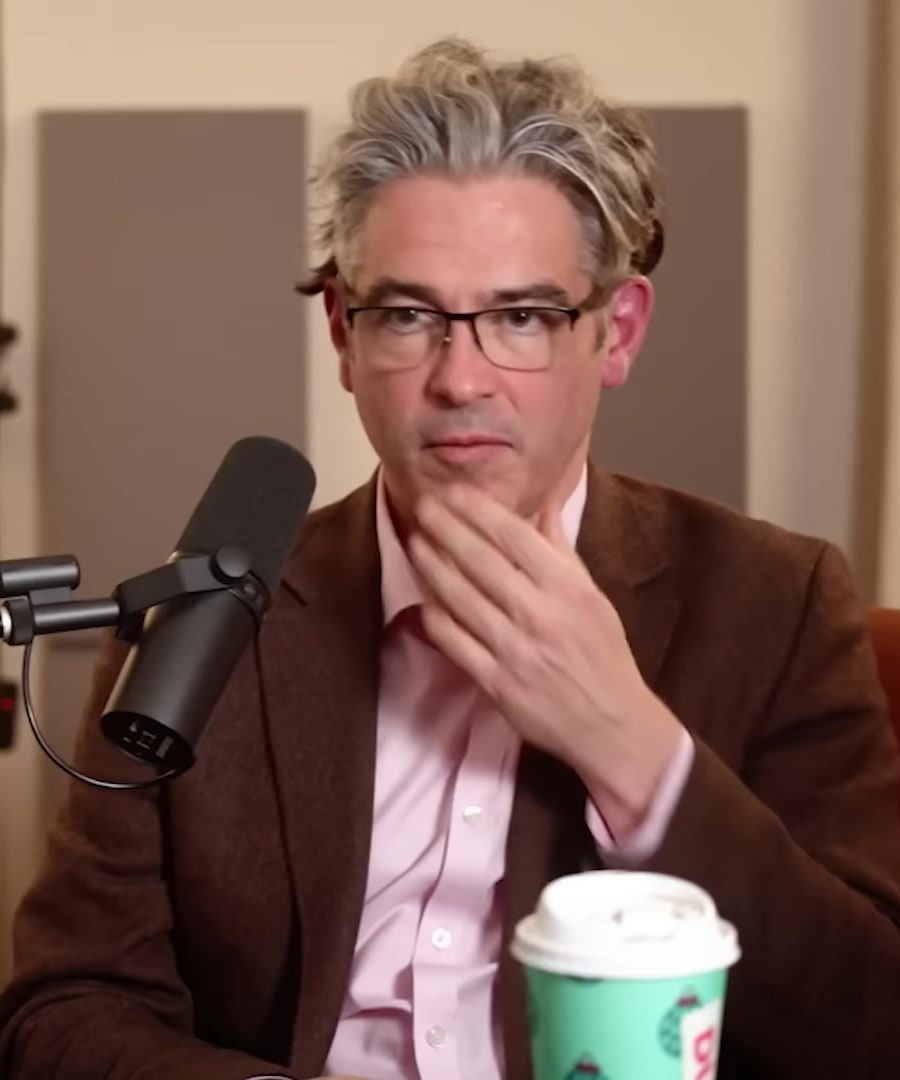

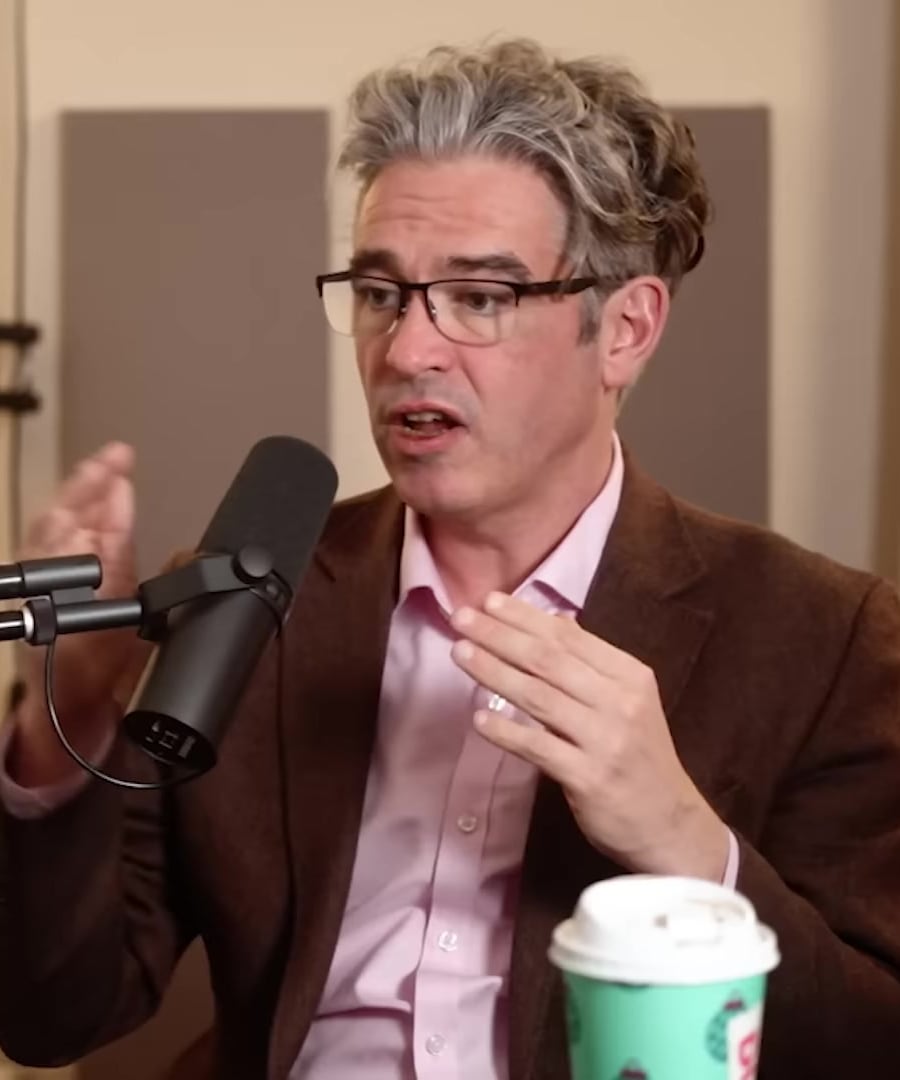


Episode Highlights
Core Concepts
introduces the foundational principles of Assembly Theory, emphasizing the assembly index as a measure of complexity. He explains that the assembly index is determined by the minimum number of steps required to assemble an object from its basic components 1. This concept is applied to molecules, where breaking them down to atoms and reconstructing them reveals their complexity 2. Lee shares his passion for first principle thinking, which drives his curiosity and persistence in understanding complex systems 3.
I love being around smart people and I love confusing smart people. And when I'm confusing smart people, not by stealing their wallets and hiding it somewhere, but if I can confuse smart people, that is the one piece of hope that I might be doing something.
---
This approach underpins his work in Assembly Theory, offering a new lens to view complexity in the universe.
Applications in Chemistry
Assembly Theory finds practical applications in chemistry, particularly in understanding molecular complexity and aiding drug discovery. describes how the theory helps identify complex molecules by analyzing their assembly index, which can be measured using techniques like mass spectrometry 4. This approach allows scientists to differentiate between biological and abiotic samples, providing insights into the origins of life and the potential for discovering new drugs 5. Lee also highlights the importance of constraints in chemical reactions, framing them as transformations that occur under specific conditions 6.
Grammar of chemistry, of course, emerges in reactions and we can use them reliably, but I do not think the vitic reaction is accessible on Venus.
---
This perspective broadens the understanding of chemical processes beyond Earth.
Evolutionary Implications
Assembly Theory extends its implications to biological evolution, offering a framework to quantify selection and evolutionary processes. discusses the concept of the assembly universe, where objects evolve through a series of constraints and selections 7. He argues that traditional views of evolution and selection are limited, advocating for a broader understanding that includes non-biological processes 8. This approach challenges the conventional ownership of evolutionary concepts by biology, suggesting that chemistry plays a crucial role in the origin of life 9.
There is an interesting disconnect between physics and biology. And that's at the point at which memories get made in chemistry through bonds.
---
This perspective encourages a reevaluation of how life and complexity emerge in the universe.
Complexity Measurement
Measuring complexity in natural and artificial systems is a key focus of Assembly Theory. explains that the shortest path in molecular assembly reveals the minimal information required for an object to exist and propagate 10. This concept is not limited to molecules; it extends to language, technology, and potentially economic systems, highlighting the universality of assembly principles 11. Lee also touches on the potential of Assembly Theory to inform the development of artificial intelligence, suggesting that selection processes could enhance AI's understanding of history and intelligence 12.
Selection produces intelligence.
---
This insight opens new avenues for exploring the intersection of complexity, evolution, and technology.
Related Episodes


Alien Debate: Sara Walker and Lee Cronin | Lex Fridman Podcast #279
Answers 383 questions
Sara Walker: The Origin of Life on Earth and Alien Worlds | Lex Fridman Podcast #198
Answers 383 questions
Nathalie Cabrol: Search for Alien Life | Lex Fridman Podcast #348
Answers 383 questions
Dmitry Korkin: Computational Biology of Coronavirus | Lex Fridman Podcast #90
Answers 383 questions
Manolis Kellis: Human Genome and Evolutionary Dynamics | Lex Fridman Podcast #113
Answers 383 questions