How does fasting affect muscle loss?
Sources:
Fasting affects muscle loss in various ways, depending on the type of fasting and how it is paired with exercise and nutrition:
-
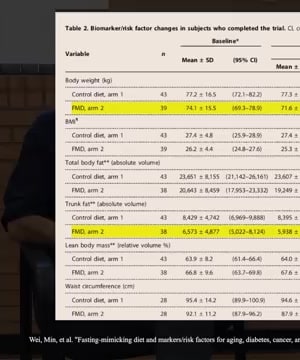
Muscle Rebuild and Loss: During fasting, particularly prolonged periods, the body may initially use some muscle for energy. However, fasting is also associated with muscle rebuilding processes during the refeeding period. Dr. Valter Longo discussed that during fasting, some muscle loss might occur, but it is generally rebuilt upon refeeding. This process particularly targets visceral fat while sparing subcutaneous fat, and the relative lean body mass may actually increase after fasting due to this regenerative effect 1.
-
Exercise and Protein: The interaction between fasting, exercise, and protein intake is crucial. Resistance training during fasting can send signals to the muscle to rebuild, mitigating muscle loss. Additionally, consuming adequate protein during the refeeding periods is vital for muscle regeneration and maintaining lean body mass. This approach is also thought to prevent any long-term loss of lean body mass 2.
-
Short-term Muscle Disuse: Fasting can be part of strategies involving short-term muscle disuse, as seen with muscle atrophy due to immobilization (like wearing a cast). Here, the critical aspect is the reduction in muscle protein synthesis, which is countered by adequate nutrition and physical therapy when mobility is restored 3.
In summary, fasting can lead to temporary muscle loss, but this can be effectively managed and reversed through strategic exercise and nutrition, particularly protein intake during refeeding periods. The regeneration of muscle post-fasting is a key benefit that many adopters of fasting diets find appealing.
RELATED QUESTIONS-