Body Communication
Sources:
Andrew Huberman has discussed various aspects of non-verbal communication, emphasizing its crucial role in human interactions:
-
Importance in Relationships:
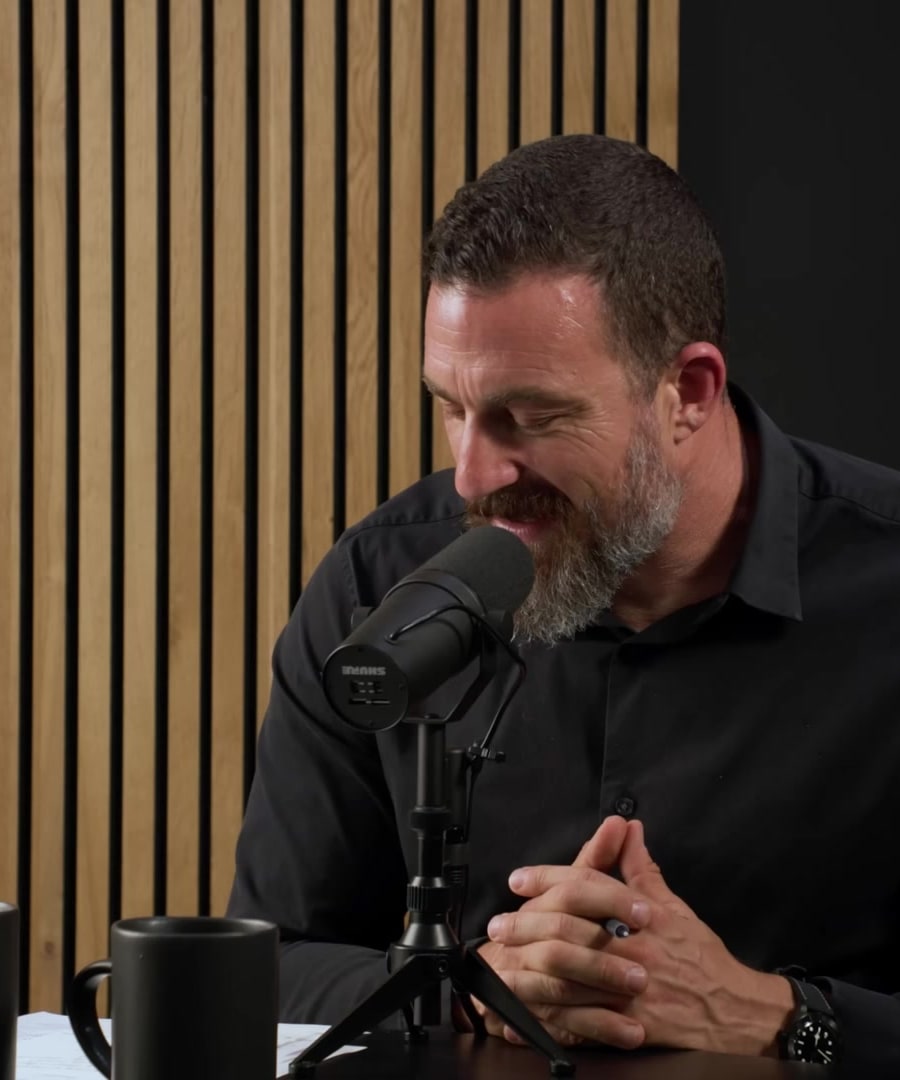
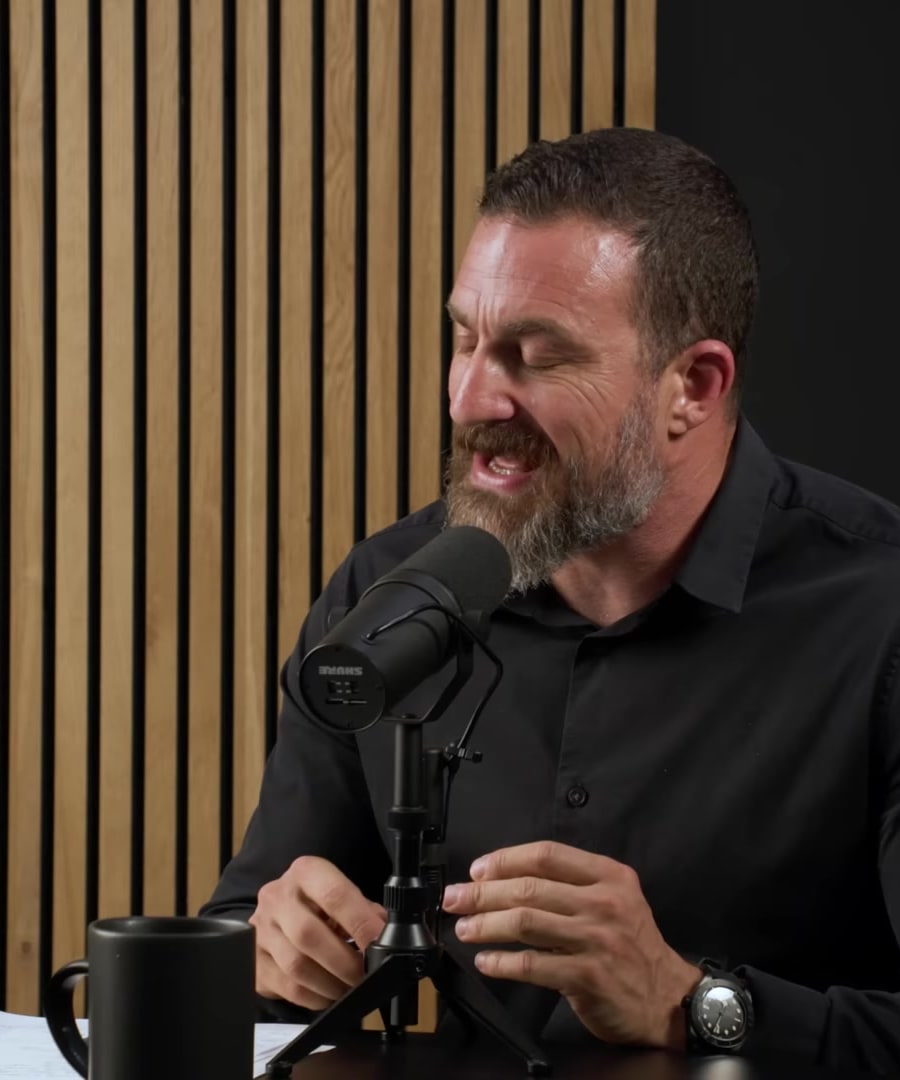
- Non-verbal communication plays a significant role in both romantic and professional relationships. It involves body language, facial expressions, and other subtleties that convey emotions and authenticity. For instance, a fleeting smile can indicate insincerity if it doesn't seem genuine in other contexts 1 2.
-
Evolutionary Perspective:
- Humans evolved for a long period without spoken language, relying heavily on non-verbal cues. This sensitivity to body language is wired into our brains, making us adept at interpreting movement, posture, and facial expressions 2.
-
Challenges of Virtual Communication:
- The rise of text and digital communication has led to a reduction in the richness of non-verbal interactions, increasing the risk of misunderstandings and self-deception. Real-life interactions are essential for developing and maintaining social skills 3.
-
Expressing Emotions Through Dance:
- Dance and body movements can communicate emotions and foster connections in a wordless state. This type of non-verbal communication is more about emotional bonding and synchronization than conveying specific semantic information 4.
-
Facial Expressions and Emotional Inferences:
- Facial expressions often reflect emotional states, but their meanings can vary widely depending on context. The brain interprets these signals along with other sensory inputs, not in isolation 5.
These insights highlight the complexity and significance of body language in human communication, underscoring the need for attention to non-verbal cues in various aspects of life.
RELATED QUESTIONS-