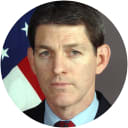
Intelligence and Conspiracy Theories I

Topics covered
Popular Clips

Episode Highlights
Trust Issues
The erosion of trust in institutions has become a significant issue, leading to the rise of conspiracy theories. Robert Goldberg highlights how distrust in government and public institutions, such as the media and universities, fosters an environment where conspiracy theories thrive 1. He argues that this distrust is dangerous for societal cohesion, as it demonizes leaders and frays the bonds of unity 1.
You cannot have a society where the people do not trust their leaders and do not trust core institutions.
--- Robert Goldberg
adds that this erosion of trust has historical roots, citing events like Vietnam and Watergate as pivotal moments that have contributed to the credibility gap 2.
Authority Impact
Authority figures play a crucial role in the development and spread of conspiracy theories. Robert Goldberg explains that conspiracy theorists often present themselves as insiders with secret knowledge, which can undermine public trust in traditional authority figures 3. This dynamic is exacerbated by media portrayals and the federal government's own practices of secrecy, which contribute to a culture of suspicion and fear 3.
Wherever there is a secret, there is a rumor.
--- Susan Griffith
Goldberg emphasizes that the media and government actions have historically fueled conspiracy thinking, making it essential to understand their impact on public perception 3.
Related Episodes


Congressional Perspectives on U.S. Intelligence
Answers 383 questionsIntelligence and the Presidential Elections II
Answers 383 questions
Intelligence and the Presidential Elections I
Answers 383 questionsU.S. Intelligence in Decline?
Answers 383 questions

Modern Intelligence Analysis: From Art to Science?
Answers 383 questionsIntelligence and the WMD Fiasco
Answers 383 questions
Counterterrorism, Intelligence, and the Iraq War
Answers 383 questions
Intelligence and the Presidency
Answers 383 questions
“How Spies Think” – Spy Chief David Omand
Answers 383 questions
The CIA and the End of the Cold War
Answers 383 questions

The Terrorist Challenge
Answers 383 questions

The National Intelligence Council – with Michael Collins
Answers 383 questions
“My Life in American Intelligence” – with Barry Zulauf
Answers 383 questions