Daniel Negreanu: Poker | Lex Fridman Podcast #324

Topics covered
Popular Clips


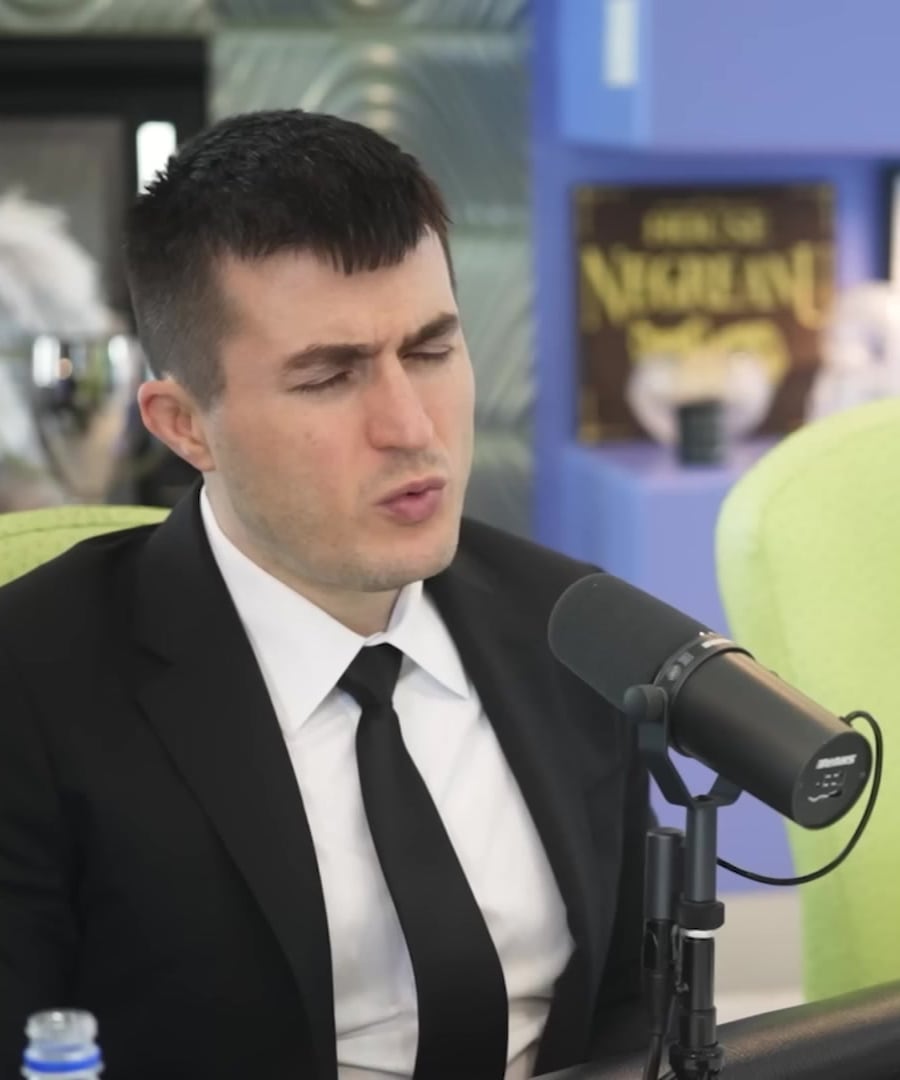


Questions from this episode
- Asked by 44 people
- Asked by 12 people
- Asked by 7 people
- Asked by 6 people
- Asked by 5 people
Episode Highlights
Resilience
Resilience is a cornerstone of 's poker career, as he recounts moments of profound adversity. He shares a vivid memory of arriving in Las Vegas at 21, only to lose his entire bankroll within 24 hours, a humbling experience that tested his resolve 1. Despite such setbacks, Daniel emphasizes the importance of embracing emotions and allowing oneself to feel despair, which he believes is crucial for personal growth and resilience 2.
I think this has been sort of a pattern in my life where, like, in the evening, after it happens, like, I don't have it, you know, I don't have that feeling of hope or resilience, if you will. I'm allowing myself to experience despair, which is exactly where I'm at.
---
This approach has helped him navigate the highs and lows of professional poker, maintaining a mindset that fuels his perseverance.
Emotions
Emotional management is critical in poker, and highlights self-awareness as a key component. He believes that recognizing whether poor performance is due to luck or personal mistakes is vital for improvement 3. Daniel advocates for embracing emotions rather than suppressing them, suggesting that experiencing and expressing feelings like despair can lead to greater resilience and learning 4.
Right. That feeling. You think you put it away in the pit of your stomach and you think it's gone. It's not. It's still there. Let yourself go. Fuck, yeah. It's all right. There's nothing wrong with being a little bit emotional, because once you've experienced it, you let it out. Now you can move past it.
---
This philosophy underscores the importance of emotional honesty in achieving long-term success in poker.
Preparation
Mental preparation is a crucial aspect of poker strategy, involving both physical and psychological readiness. He stresses the importance of sleep, aiming for eight hours whenever possible, though tournament schedules often disrupt this routine 5. Daniel also discusses the role of diet and the occasional indulgence during intense periods like the World Series of Poker, balancing discipline with flexibility 5.
I have dabbled in the past with, like, meditation and different things like that. And I know that there's health benefits to it, and I understand that a lot of people get a lot from it, and I've done it for a good amount of time, like, long periods of time. I found that for me, I think it was predominantly placebo.
---
His approach to mental preparation reflects a blend of structured routines and adaptability, essential for maintaining peak performance.
Related Episodes


Tuomas Sandholm: Poker and Game Theory | Lex Fridman Podcast #12
Answers 383 questions
Garry Kasparov: Chess, Deep Blue, AI, and Putin | Lex Fridman Podcast #46
Answers 383 questions
Magnus Carlsen: Greatest Chess Player of All Time | Lex Fridman Podcast #315
Answers 383 questions
Jordan Peterson: Life, Death, Power, Fame, and Meaning | Lex Fridman Podcast #313
Answers 383 questions

Botez Sisters: Chess, Streaming, and Fame | Lex Fridman Podcast #319
Answers 383 questions
Charles Hoskinson: Cardano | Lex Fridman Podcast #192
Answers 383 questions
Donald Trump Interview | Lex Fridman Podcast #442
Answers 383 questions