How To FACE & HEAL The TRAUMA That Dictates Your Life: Paul Conti, MD | Rich Roll Podcast

Topics covered
Popular Clips



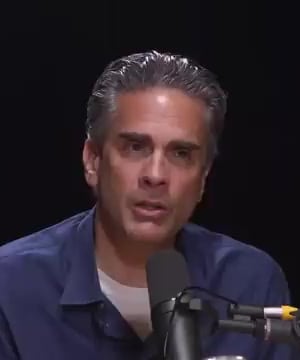


Episode Highlights
Healthcare Issues
The healthcare system's approach to trauma and mental health is fraught with challenges. highlights the issue of physician burnout, which he describes as a systemic failure rather than a personal shortcoming. He argues that the term "burnout" is often used to label physicians who are overwhelmed by an unsupportive system, rather than addressing the root causes of their stress 1. Conti also criticizes the healthcare system's tendency to prioritize efficiency over genuine patient care, often resorting to medication instead of understanding individual needs 2.
It's cheaper to throw medicines at people than it is to sit with them and try and understand them.
---
This approach, he suggests, leads to unresolved issues and increased healthcare costs.
Systemic Change
Addressing the systemic issues in healthcare requires a return to foundational principles. emphasizes the need to focus on long-term health and happiness, rather than short-term fixes 3. He suggests that many physical health issues stem from mental health conditions, particularly trauma, and advocates for a more integrated approach to treatment. adds that successful integrative and functional medicine practices offer hope for systemic change, but acknowledges the challenges posed by entrenched interests 4.
We need to shift our whole system in that way. And if we don't, again, I do think we're in trouble.
---
Conti believes that a shift towards holistic care could improve outcomes and reduce costs.
Societal Responsibility
Society bears a collective responsibility to care for trauma victims and improve mental health infrastructures. argues that societal neglect of trauma's downstream effects perpetuates cycles of suffering 5. He stresses the importance of providing adequate resources for those affected by trauma, citing the lack of support even in clear-cut cases like the September 11 attacks. concurs, suggesting that a fundamental overhaul of healthcare incentives is necessary to foster a more compassionate system.
Without a revolution of consciousness, I don't know how we solve these problems.
---
Both agree that a shift towards value-driven care is essential for meaningful change.
Related Episodes


Dr. Gabor Maté On How Trauma Fuels Disease | Rich Roll Podcast
Answers 383 questions
Tim Ferriss Is Changing His Mind | Rich Roll Podcast
Answers 383 questions
The SECRET World of Male Body Dysmorphia | Tim Tollefson X Rich Roll Podcast
Answers 383 questions
Ryan Holiday On How To Overcome Fear | Rich Roll Podcast
Answers 383 questions
Regret Nothing, Forgive Everything | Rich Roll Podcast
Answers 383 questions
Stories From A Therapist In Therapy: Lori Gottlieb | Rich Roll Podcast
Answers 383 questions
How To Make Disease Disappear | Rich Roll Podcast
Answers 383 questions
How To BE A BETTER MAN: Male Supermodel on Healthy Masculinity | Rich Roll Podcast
Answers 383 questionsBest of 2021: Part 2 | Rich Roll Podcast
Answers 383 questions
Best of 2018 - Part II | Rich Roll Podcast
Answers 383 questions

10 POWERFUL Stories of Addiction (& Recovery) | Rich Roll Podcast
Answers 383 questions

Mastering The Mind: A Mental Health Deep Dive | Rich Roll Podcast
Answers 383 questions