The Surprising Neuroscience of Hypnosis: Myths, Truths & Use Cases w/ Dr. David Spiegel MD

Topics covered
Popular Clips


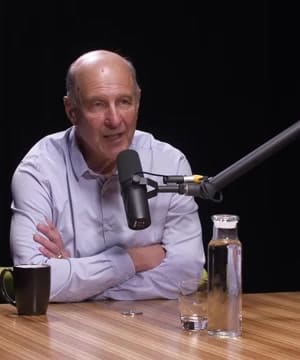


Episode Highlights
PTSD & Trauma
Hypnosis offers a unique approach to addressing PTSD and trauma by enabling individuals to confront their experiences in a controlled and supportive environment. emphasizes the importance of facing vulnerabilities and re-evaluating traumatic events to empower survivors. He shares a poignant example of a woman who, through hypnosis, transformed her perception of a traumatic event, realizing her strength in resisting an attack 1. This process allows individuals to hold dual perspectives, acknowledging past trauma while recognizing their resilience.
Most people would rather feel guilty than helpless. They'd rather blame themselves with the fantasy that somehow I could have prevented it from happening.
---
and Dr. Spiegel discuss how society often desensitizes individuals to real trauma, highlighting the need for genuine confrontation and healing 2.
Performance
Hypnosis can significantly enhance performance by helping individuals focus and manage anxiety. recounts his work with the Stanford women's swimming team, where hypnosis helped athletes concentrate on their own performance rather than external distractions 3. This technique allows athletes to enter a heightened state of absorption, similar to a flow state, where they can perform optimally without being hindered by competitive anxiety.
It's not a little struggle. It's not the first time you're out training. It's kind of coordinating the symphony in your body.
---
Rich Roll4.
Self-Hypnosis
Self-hypnosis is a powerful tool for personal transformation and stress reduction. discusses the development of the Reverie app, which allows users to engage in self-hypnosis through interactive sessions tailored to individual responses 5. This approach democratizes access to hypnosis, enabling more people to benefit from its therapeutic effects without needing a therapist present.
We have some things where people just take a minute or two to reinforce what they've learned before, and a minute isn't too long to do that.
---
Rich Roll6.
Related Episodes

Why WILLPOWER Doesn't Work: The NEUROSCIENCE of Habit Change | Dr. Jud Brewer
Answers 383 questions
The Neuroscience of Optimal Performance: Dr. Andrew Huberman | Rich Roll Podcast
Answers 383 questions
Dan Harris on The Power of Meditation For Fidgety Skeptics
Answers 383 questionsChange Your Brain: Neuroscientist Dr. Andrew Huberman | Rich Roll Podcast
Answers 383 questionsDispelling Meditation Myths
Answers 383 questionsThe POWER of the MIND to HEAL | Dr. Ellen Langer x Rich Roll
Answers 383 questions
Lisa Miller, PhD On The Neuroscience Of Spirituality | Rich Roll Podcast
Answers 383 questions
Cognitive Neuroscientist MAYA SHANKAR On The Power of Change | Rich Roll Podcast
Answers 383 questions
A Neuroscientist on Unwinding Anxiety | Rich Roll Podcast
Answers 383 questions
Annaka Harris On Consciousness | Rich Roll Podcast
Answers 383 questions
The Alter Ego Effect with Todd Herman | Rich Roll Podcast
Answers 383 questionsBRAIN HEALTH EXPERT: You Can CHANGE Your BRAIN | Dr. Daniel Amen x Rich Roll
Answers 383 questions